Disclaimer:
While I am an audiologist, I am not your audiologist. The information I provide in this video is meant to helpful to as many people as possible, but that doesn't mean that everything we cover in this course will be directly applicable or appropriate for your situation.
Over-the-counter hearing aids are intended to provide improved access to hearing care for people with hearing difficulties without the management of a hearing health provider. That being said, initial evaluation and consultation with an audiologist will always be my recommendation. There are a number of conditions that cause changes in hearing that can be medically fixed - and a small number of conditions which are medically serious and require treatment. I am a strong believer in over-the-counter hearing aids, but always recommend medical clearance first.
Also, over-the-counter hearing aids are not right for every person, especially for patients with more significant hearing losses. If you use AirPods - or any other OTC devices - without success, consultation with a hearing health provider is strongly recommended to explore further options. That may include prescription hearing aids, but also may involve auditory training or other solutions - whatever works best for you.
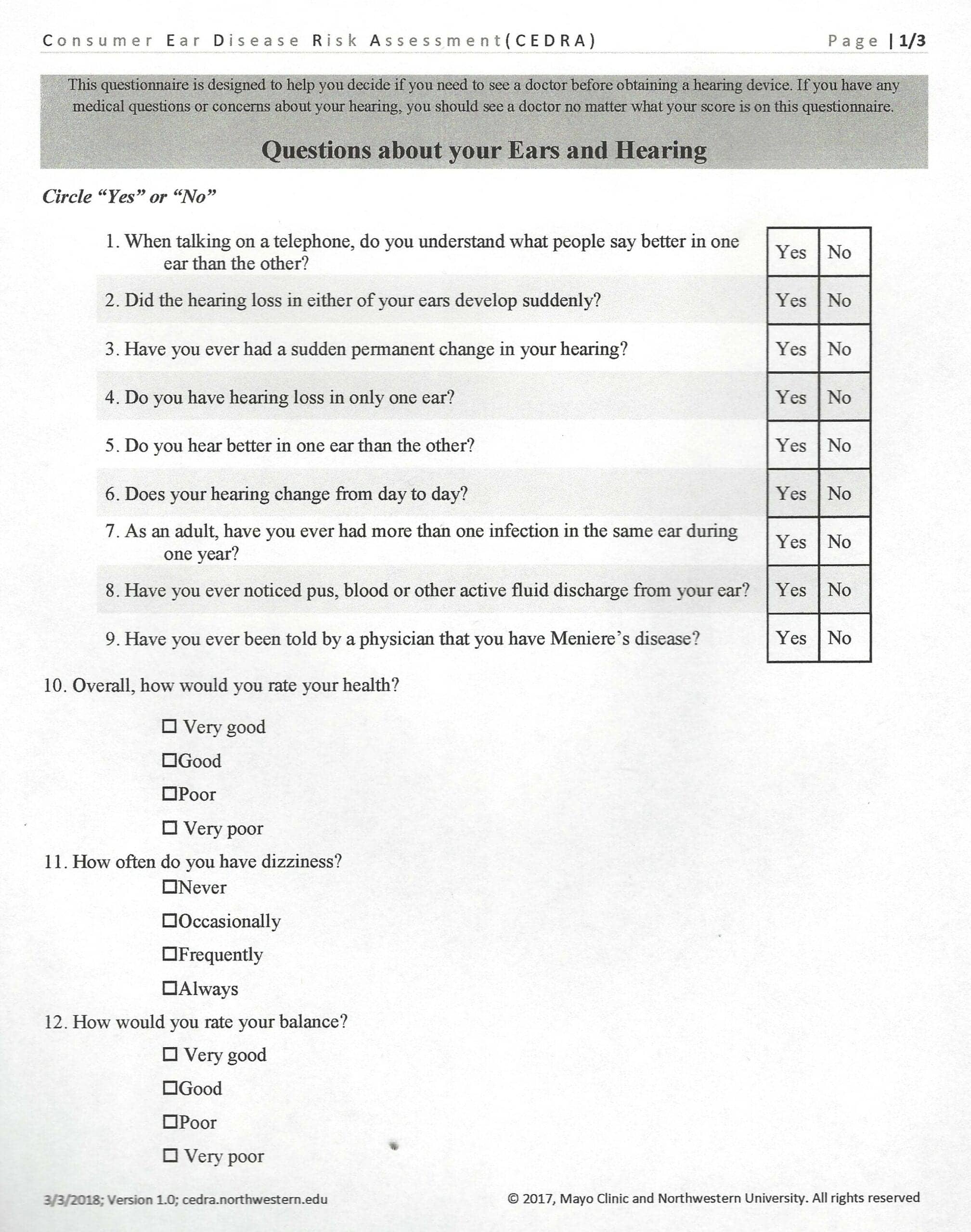
Below you will find a PDF version of the AAO-HNS "red flag" conditions which strongly indicate the need to consult with an audiologist and likely an otolaryngologist (ENT). Please review that form and talk to your primary care provider or a hearing specialist if you have any of these conditions.
Now that we've got that out of the way, let's get to the learning!